Science
Peptides in frequency work
Peptides are our body's messengers. Here is what they are, why medicine places such great hope in them and how a peptide becomes a sequence of frequencies.
18 October 2026 · Peter A. Giger · 4 min read
Science
What we learn, observe and read about in frequency work. Experiences, background and technology, explained calmly.
Science
Peptides are our body's messengers. Here is what they are, why medicine places such great hope in them and how a peptide becomes a sequence of frequencies.
18 October 2026 · Peter A. Giger · 4 min read
Science
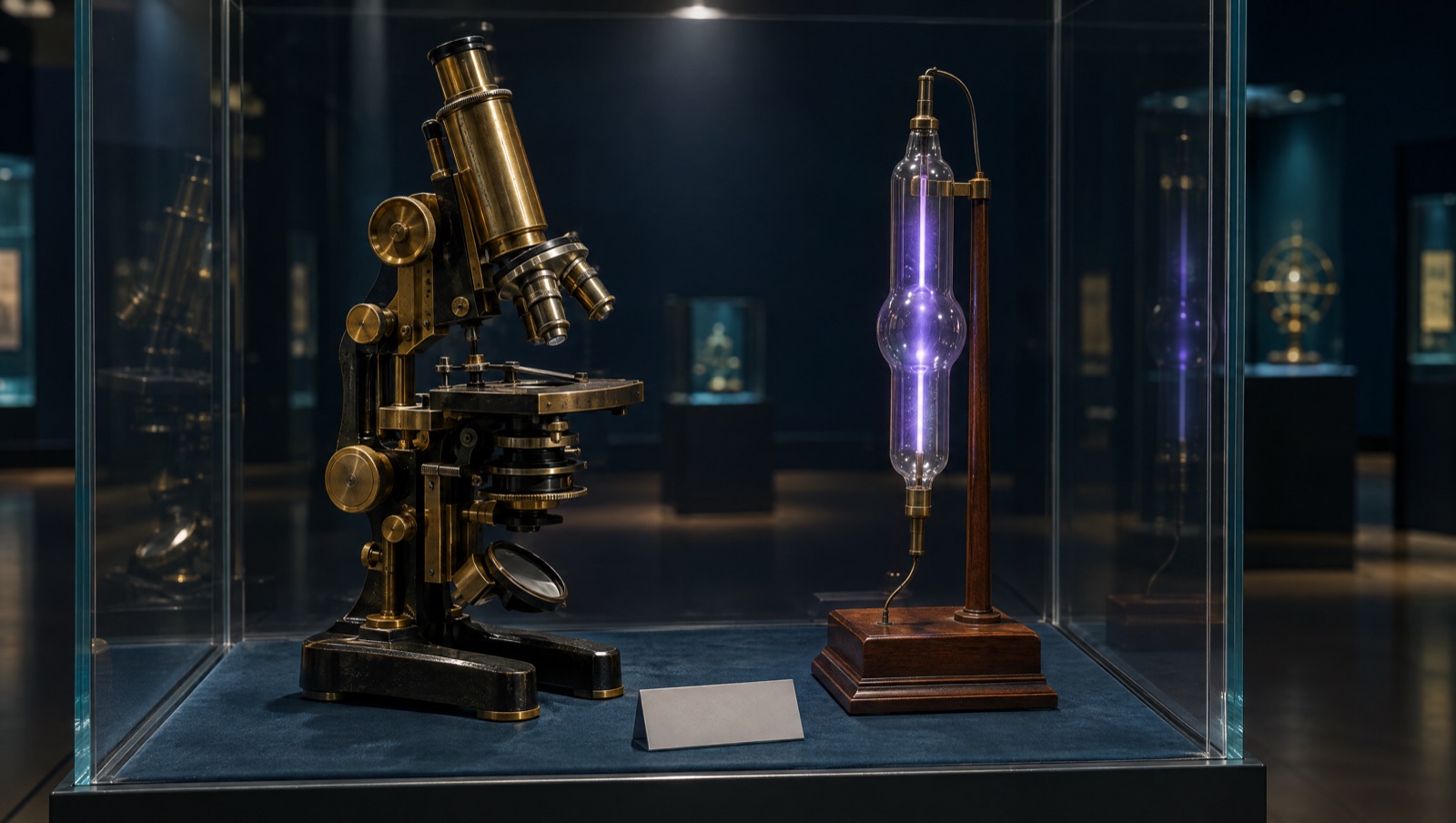
The Science Museum London holds a glass tube from 1938 and a microscope numbered 5. They belong to one of the best-known stories in frequency work: the story of Royal Raymond Rife, his luminous tube and a clinical trial whose records were lost.
18 October 2026 · Peter A. Giger · 5 min read
Science
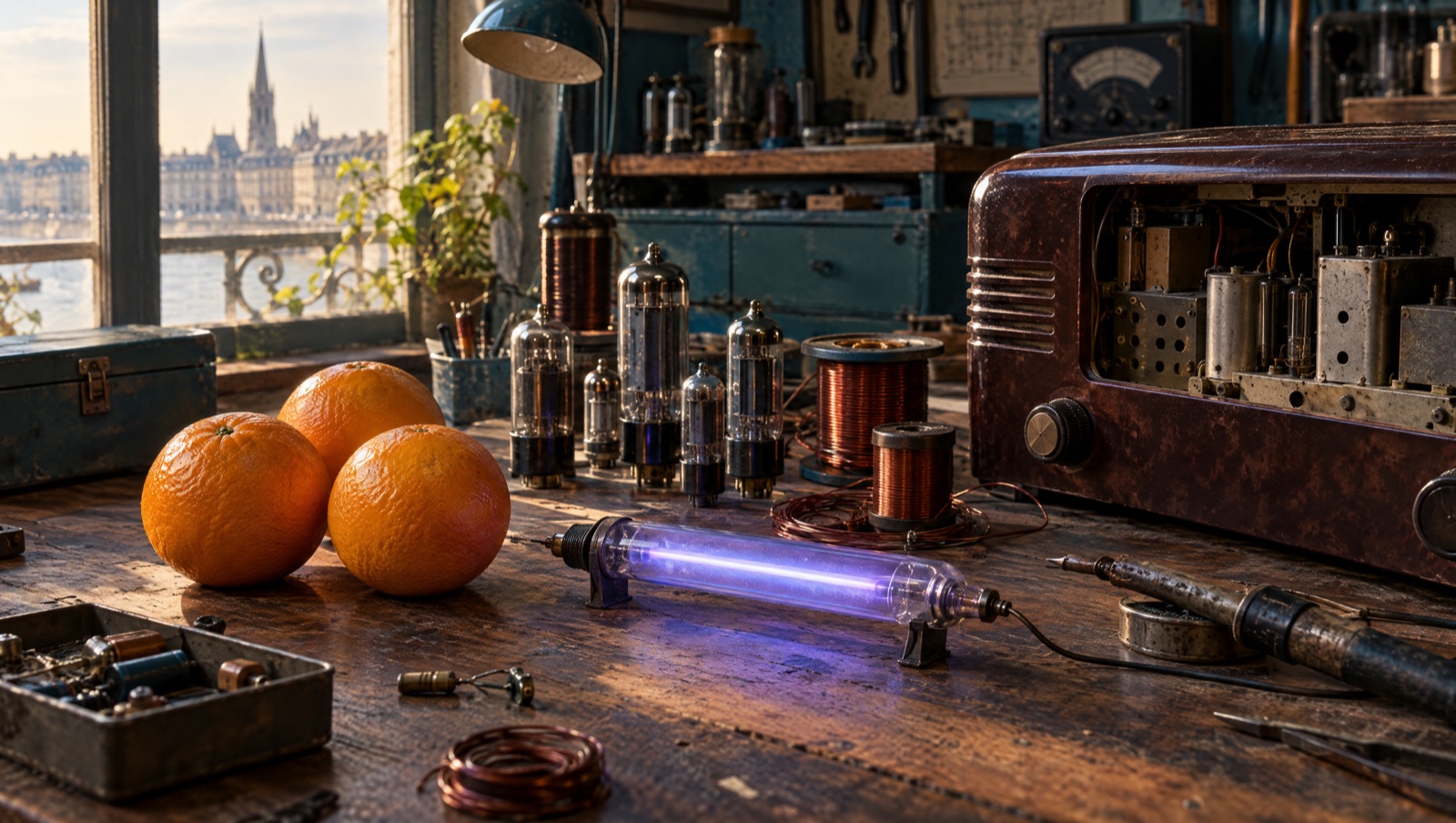
A radio technician from Trieste builds a glowing tube in Bordeaux. For fourteen years, the Académie des sciences in Paris publishes experimental results about it, ministries fund the research, professors vouch for him. Then everything is forgotten. The story of Antoine Prioré.
18 October 2026 · Peter A. Giger · 7 min read
Science
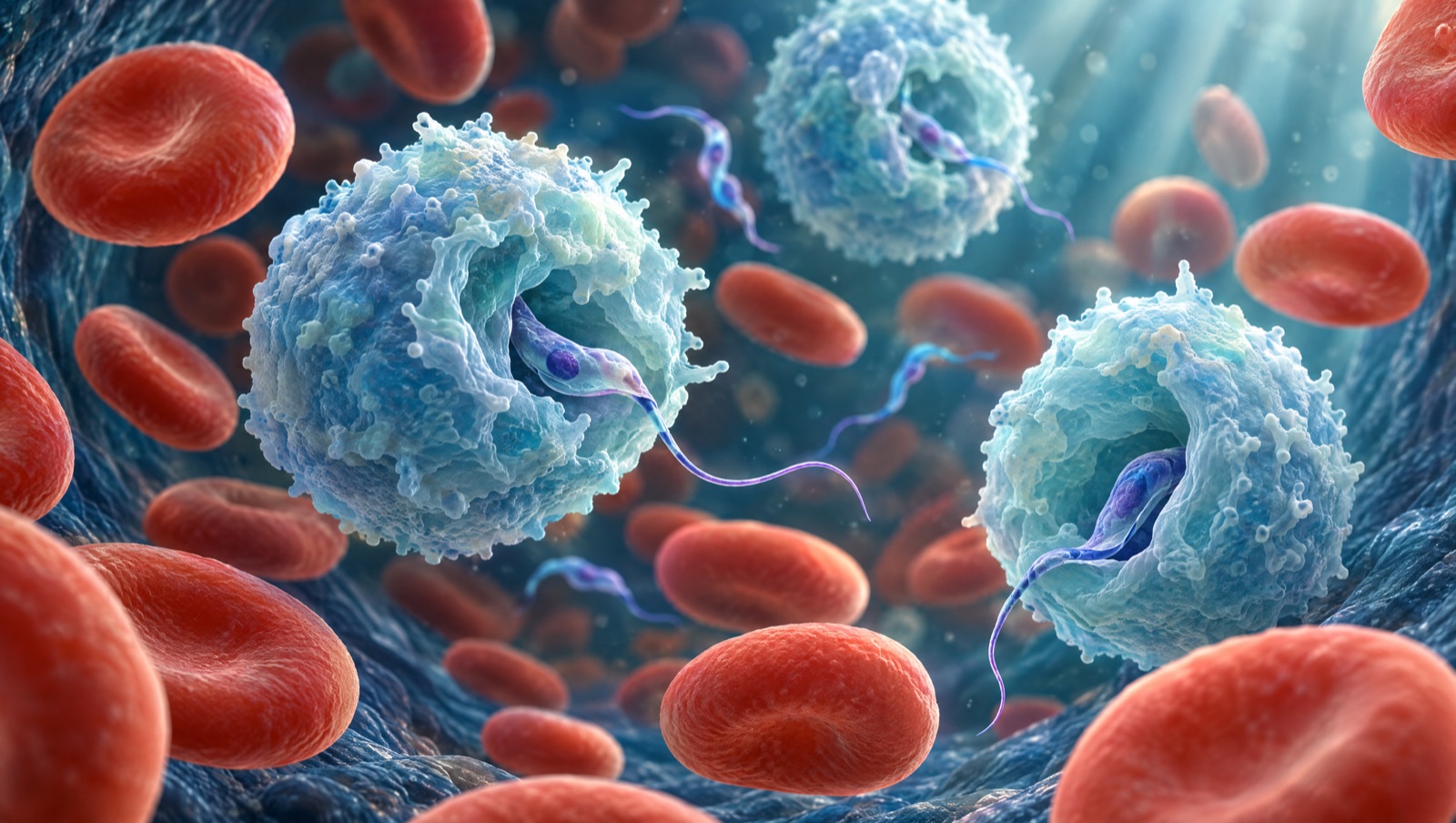
An experiment carried out in Bordeaux in 1975 remains remarkable to this day. It suggests that the fields from Antoine Prioré's device did not attack the parasites directly, but rather supported the immune defences of the test animals. An approach that is re-emerging in research today.
18 October 2026 · Peter A. Giger · 6 min read
Science
Solid, liquid, gaseous – everyone knows these from school. But there is a fourth state of matter, and it is the most common in the universe. A journey from the fire of ancient cultures through the aurora borealis and the glowing tubes of the frequency pioneers to plasma medicine today.
18 October 2026 · Peter A. Giger · 11 min read
Science
In 1787 Ernst Chladni scattered sand on a metal plate and drew a violin bow along its edge. What happened next is part of the prehistory of frequency work.
3 October 2026 · Peter A. Giger · 3 min read
Let's talk about it – the first conversation is free.
Stay in touch